Global Health News Wire
  • VIRUSES & VACCINES
  • PUBLIC HEALTH
  • NEUROLOGY & MENTAL HEALTH
  • DISEASES
  • PHARMA & CLINICAL TRIALS
  • TECHNOLOGY
  • POLICY & LAW
  • ENVIRONMENT
  • RESEARCH
Global Health News Wire
  • VIRUSES & VACCINES
  • PUBLIC HEALTH
  • NEUROLOGY & MENTAL HEALTH
  • DISEASES
  • PHARMA & CLINICAL TRIALS
  • TECHNOLOGY
  • POLICY & LAW
  • ENVIRONMENT
  • RESEARCH
USE OUR INTELLIGENCE

Double-Lung Transplant After COVID-19 Performed in Canada
DISEASES
April 12, 2021

Double-Lung Transplant After COVID-19 Performed in Canada

University Health Network has performed what is believed to be the first lung transplant in…

USE OUR INTELLIGENCE April 12, 2021
Research Indicates Environment is Unlikely to Affect Transmissibility of SARS-COV-2 Variants
RESEARCH
April 12, 2021

Research Indicates Environment is Unlikely to Affect Transmissibility of SARS-COV-2 Variants

The deactivating effects of heat and sunlight on SARS-CoV-2, the virus that causes COVID-19, are…

USE OUR INTELLIGENCE April 12, 2021
Research Reveals Household Water Consumption Changes During Lockdown
RESEARCH
April 12, 2021

Research Reveals Household Water Consumption Changes During Lockdown

Cranfield University research using data from smart meters has found that household water consumption changed…

USE OUR INTELLIGENCE April 12, 2021
SARS-CoV-2 Vaccination Rates Among Us Emergency Department Health Care Personnel
VIRUSES & VACCINES
April 12, 2021

SARS-CoV-2 Vaccination Rates Among U.S. Emergency Department Health Care Personnel

At the beginning of prioritized health care personnel (HPC) immunization, there was a high rate…

USE OUR INTELLIGENCE April 12, 2021
People who trust television and Facebook to provide them with accurate news about the coronavirus pandemic are less knowledgeable about COVID-19, according to a new study, which assessed people’s knowledge of the virus in the earliest stages of the pandemic.  The study, published today in the peer-reviewed journal Current Medical Research & Opinion, surveyed 5,948 adults in Pennsylvania between March 25-31, 2020, and found that those who rely on social media and tv for news are less likely to get the facts right about the coronavirus.  In fact, adults that used Facebook as an additional source of news in any way were less likely to answer COVID-19 questions correctly than those who did not.  “The rise of social media has changed the way people around the world keep up with current events, with studies showing that up to 66% of Americans rely on social media for news,” says Dr Robert P. Lennon, associate professor of family and community medicine at Penn State College of Medicine, one of the authors of the paper.  “This is worrying, as misinformation and misunderstanding about COVID-19 and how it spreads is likely to have fuelled the pandemic, whose death toll now surpasses 2.5 million worldwide.”  In early March 2020, the COVID-19 outbreak had become alarming enough that Lennon and other Penn State University researchers rapidly developed a survey to explore public knowledge, perceptions, and preferred information sources regarding COVID-19. Within hours of been told that they had been awarded funding, the World Health Organization declared COVID-19 a pandemic, and two days later the President declared a National Emergency.  The survey was rapidly disseminated to 5,948 adults in Pennsylvania, offering insight into the public use of information in the midst of a national emergency. The respondents answered questions about where they got their news about coronavirus from, and which news sources they trusted most. They were then given 15 statements about COVID-19 and asked if they thought the statements were true or false, and how confident they were in their answer.  The questions covered knowledge across several domains – transmission, severity, treatment – and asked questions felt to be of easy, moderate and hard difficulty in each. As media coverage on COVID-19 escalated, developing knowledge questions became increasingly difficult – a nearly impossible question on Monday was by Thursday so easy it couldn’t be used.  The results showed that the most trusted news sources were government websites (42.8%), followed by television (27.2%), and health system communications (9.3%).  There was a clear relationship between where people got their news from, and their knowledge of coronavirus. For example, participants who said that their most trusted source of information was government health websites were more likely to correctly answer COVID- 19 questions than other groups, while individuals whose most trusted source was television news were less likely to correctly answer COVID-19 questions than other groups. Respondents who selected “Facebook” as either their single most trusted source or as an additional information source were less likely to answer knowledge questions correctly.  The findings highlight the importance of considering where people get their news from when it comes to designing public health interventions. Guidance such as ‘stay at home’, ‘wash your hands’, ‘wear a mask’ and ‘socially distance’ are only effective if understood.  “Effective communication is a critical element of successfully managing a pandemic response, as for the disease spread to be contained, the public must comply with public health recommendations,” says Lennon.  “The first step in compliance is an understanding of those recommendations, so it is vital that health communicators consider how the public get their information and monitor these venues to correct misinformation when it appears.”
PUBLIC HEALTH
April 12, 2021

Adults who view TV and social media as news sources on COVID are less informed

People who trust television and Facebook to provide them with accurate news about the coronavirus…

USE OUR INTELLIGENCE April 12, 2021
First Images of Cells Exposed to COVID-19 Vaccine Reveal Native-Like Coronavirus Spikes
VIRUSES & VACCINES
April 12, 2021

First Images of Cells Exposed to COVID-19 Vaccine Reveal Native-Like Coronavirus Spikes

New research has for the first time compared images of the protein spikes that develop…

USE OUR INTELLIGENCE April 12, 2021
‘Patchwork’ Tumors Prevalent Across Multiple Cancer Types
DISEASES
April 7, 2021

‘Patchwork’ Tumors Prevalent Across Multiple Cancer Types

Researchers at the Francis Crick Institute, as part of an international collaboration of scientists through…

USE OUR INTELLIGENCE April 7, 2021
Manual Workers Face Twice the Risk of Developing ALS
NEUROLOGY & MENTAL HEALTH
April 7, 2021

Manual Workers Face Twice the Risk of Developing ALS

ALS is a progressive neurological disease that attacks the nerves that interact with the body’s…
USE OUR INTELLIGENCE April 7, 2021
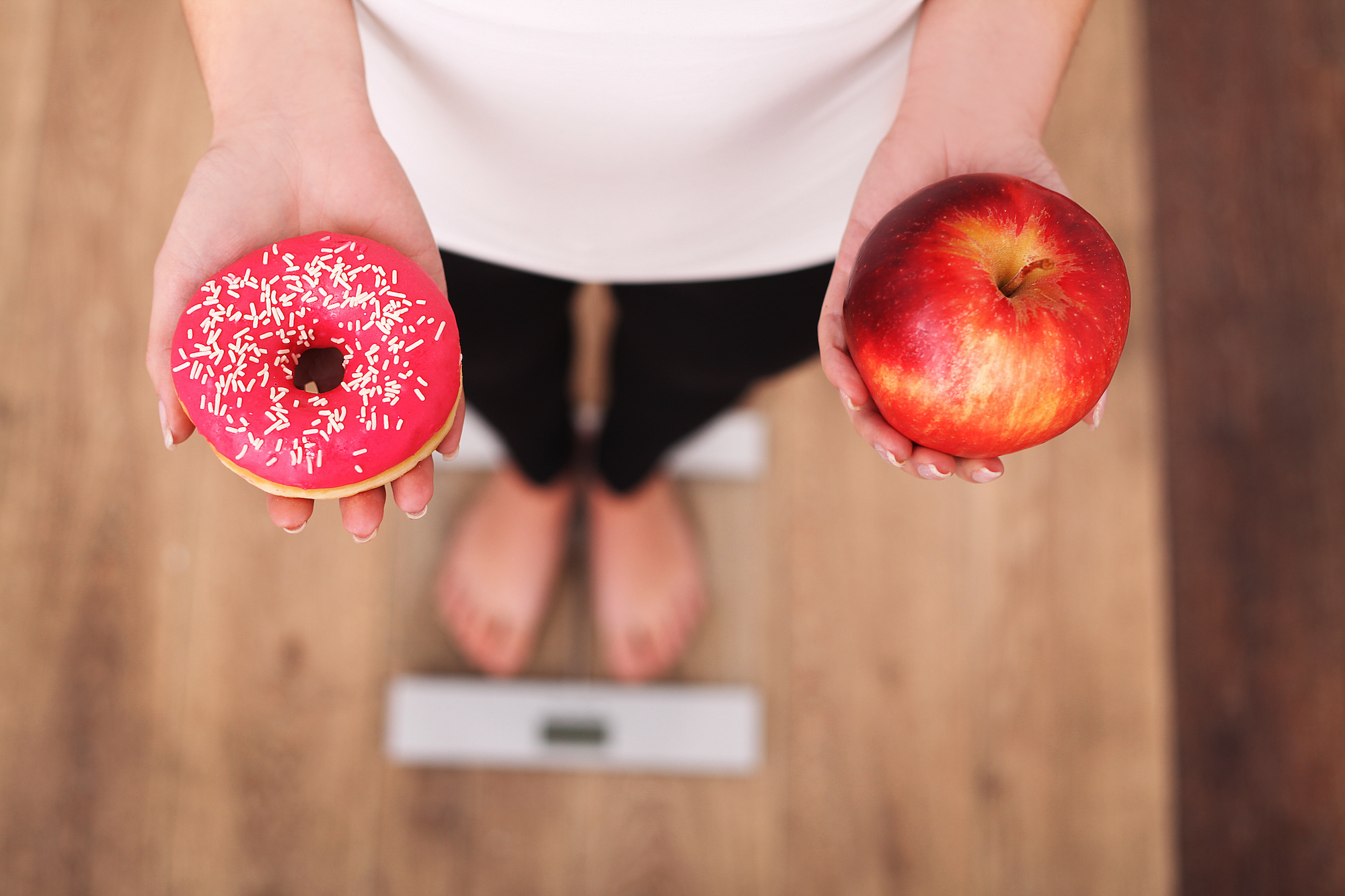
Weight Loss Changes People’s Responsiveness to Food Marketing
RESEARCH
April 5, 2021

Weight Loss Changes People’s Responsiveness to Food Marketing

Obesity rates have increased dramatically in developed countries over the past 40 years — and…

USE OUR INTELLIGENCE April 5, 2021
COVID-19 Convalescent Plasma with Greater Antibody Levels Is Safe and Shows Promise
DISEASES
April 5, 2021

COVID-19 Convalescent Plasma with Greater Antibody Levels Is Safe and Shows Promise

Convalescent plasma, the use of survivors’ antibodies transfused into sick COVID-19 patients is safe and…

USE OUR INTELLIGENCE April 5, 2021
Older Posts Newer Posts
Latest Posts
  • Human Enhancement Technologies at Work: More Security but Less Privacy?
    POLICY & LAW
    Human Enhancement Technologies at Work: More Security but Less Privacy?
    USE OUR INTELLIGENCE November 2, 2026
  • AI Tool May Support Dermatologists in Assessing Skin Lesions for Cancer Risk
    PHARMA & CLINICAL TRIALS
    AI Tool May Support Dermatologists in Assessing Skin Lesions for Cancer Risk
    USE OUR INTELLIGENCE October 22, 2026
  • How Psilocybin Reshapes Brain Circuits
    NEUROLOGY & MENTAL HEALTH
    How Psilocybin Reshapes Brain Circuits
    USE OUR INTELLIGENCE October 22, 2026
  • Can Reddit Help Strengthen Health Communications on Extreme Heat?
    ENVIRONMENT
    Can Reddit Help Strengthen Health Communications on Extreme Heat?
    USE OUR INTELLIGENCE October 22, 2026
  • What Can People Who Remember Everything Teach Us About the Brain?
    NEUROLOGY & MENTAL HEALTH
    What Can People Who Remember Everything Teach Us About the Brain?
    USE OUR INTELLIGENCE October 22, 2026
Global Health News Wire
  • VIRUSES & VACCINES
  • PUBLIC HEALTH
  • NEUROLOGY & MENTAL HEALTH
  • DISEASES
  • PHARMA & CLINICAL TRIALS
  • TECHNOLOGY
  • POLICY & LAW
  • ENVIRONMENT
  • RESEARCH

©2026. Global Health News Wire. Use Our Intel. All Rights Reserved. Washington, D.C.

Global Health News Wire
  • HOME
  • GHNW Notes
  • PERMISSIONS AND POLICIES
  • VIRUSES & VACCINES
  • PUBLIC HEALTH
  • NEUROLOGY & MENTAL HEALTH
  • DISEASES
  • PHARMA & CLINICAL TRIALS
  • TECHNOLOGY
  • POLICY & LAW
  • ENVIRONMENT
  • RESEARCH

©2026. Global Health News Wire. Use Our Intel. All Rights Reserved. Washington, D.C.

I would like to receive critical industry news to my inbox.

Our site uses cookies. Learn more about our use of cookies: Cookie Policy

ACCEPT