

Mass General Brigham study found that evolocumab was associated with a 20% reduction in risk of death among patients without a prior heart attack or stroke
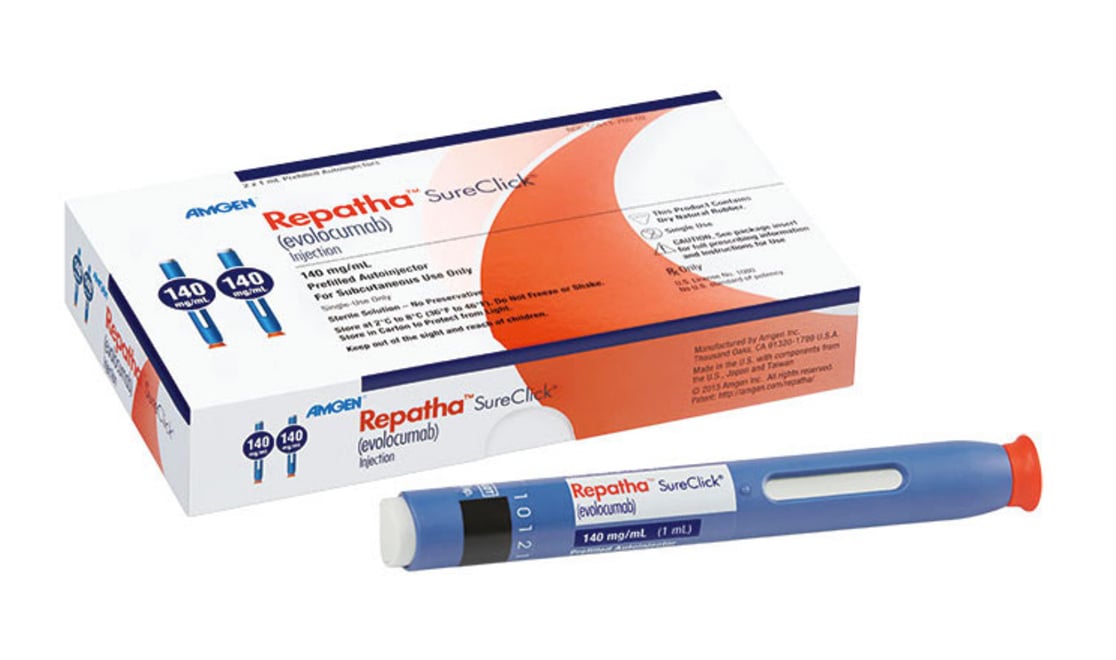
Mass General Brigham Heart and Vascular Institute researchers have found that high-risk patients who had not previously experienced a heart attack or stroke had a lower risk of death after taking the cholesterol-lowering drug evolocumab (on top of standard cholesterol-lowering therapy) as part of a clinical trial, compared to those taking a placebo. Results were presented at the ESC Congress 2026 and simultaneously published in Circulation.
Researchers evaluated mortality outcomes among 12,257 trial participants who had atherosclerosis (hardening of the arteries due to plaque build-up) or high-risk diabetes and elevated low-density lipoprotein (LDL) cholesterol despite optimized lipid-lowering therapy.
The study is part of a prespecified analysis of the VESALIUS-CV randomized clinical trial, which found that evolocumab could prevent first-time major heart attacks, strokes, and cardiovascular deaths in high-risk adults. Participants had a median age of 66 years, were randomly assigned to receive evolocumab or placebo, and were followed for a median of 4.6 years.
Though VESALIUS-CV was not powered to measure mortality outcomes, all-cause mortality was 20% lower among participants in the evolocumab group. Estimated five-year mortality rates were 7.9% in the evolocumab group and 9.7% in the placebo group.
In this analysis, the researchers found consistent reductions in all-cause mortality in participants who had qualifying atherosclerosis or high-risk diabetes without qualifying atherosclerosis. The reduction in mortality began after about 1.5 years on therapy, and rates of cardiovascular and non-cardiovascular death were reduced to a similar degree. Researchers also found that participants who experienced a heart attack, ischemic stroke or arterial revascularization during follow-up were more likely to die from non-cardiovascular causes, suggesting that preventing these cardiovascular events may contribute to improved long-term survival.
“Our results show that intensive LDL-C lowering with evolocumab, in addition to standard therapies, is not only associated with lower risk of heart attack and stroke but also with improved survival in high-risk patients who have not experienced a prior CV event, including those with high-risk diabetes without qualifying atherosclerosis,” said Robert P. Giugliano, MD, SM, a senior investigator with the TIMI Study Group and senior staff in Cardiovascular Medicine with the Mass General Brigham Heart and Vascular Institute. He is also a professor of Medicine at Harvard Medical School.
The findings were consistent across key patient groups, including by age, sex, geographic region, baseline LDL cholesterol, and background lipid-lowering therapy. Importantly, lower all-cause mortality was observed both among participants with atherosclerosis and among those with high-risk diabetes who didn’t have qualifying atherosclerosis.
The authors note that this analysis cannot definitively prove the mortality effect was due to evolocumab rather than another factor. They also note that while the findings are exploratory, they consistently favored evolocumab and support the findings from the primary analysis of the trial.