

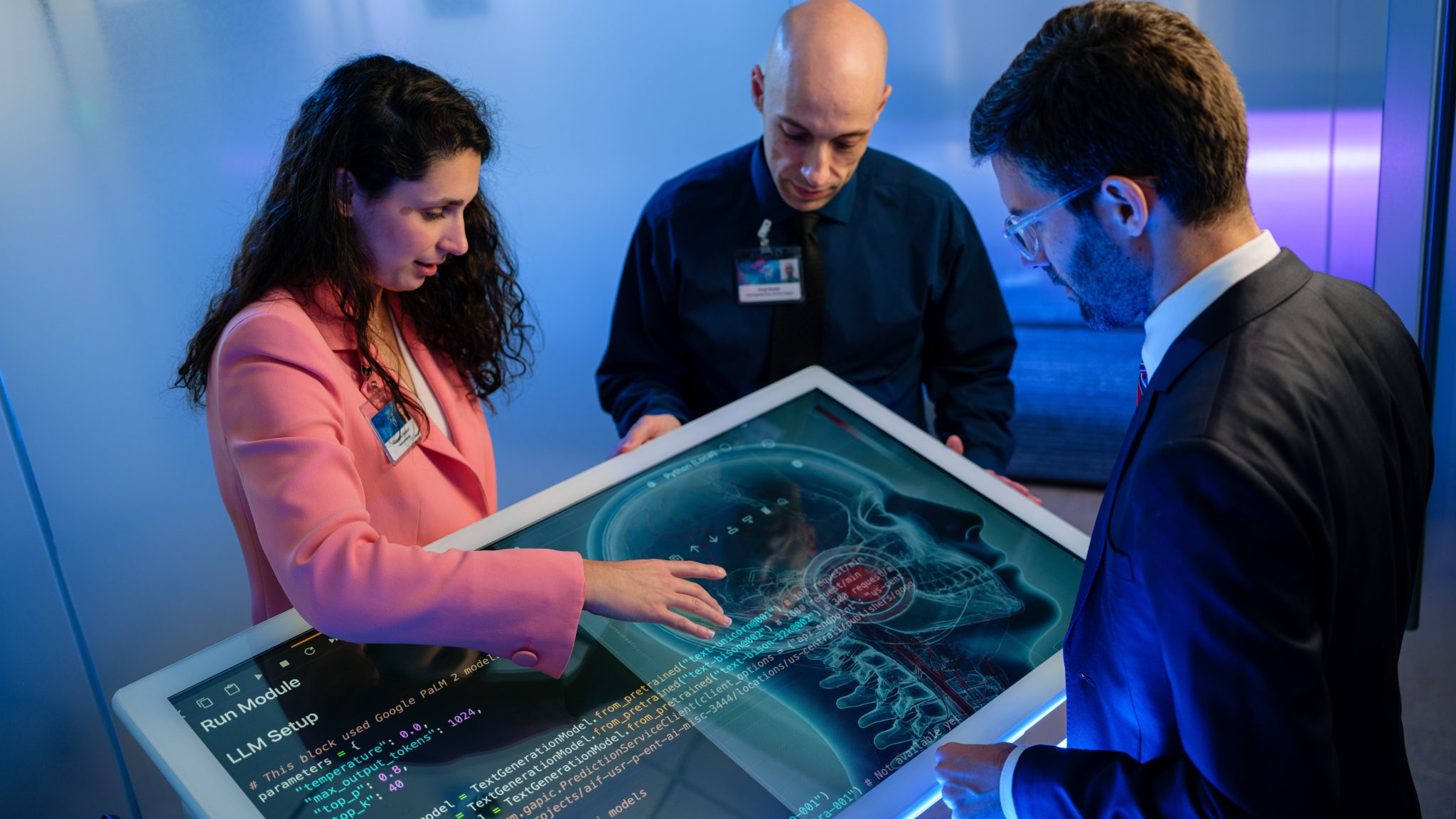
Mayo Clinic researchers are combining biological, environmental and health data with artificial intelligence to identify changes that may signal disease years before clinical symptoms appear.
By the time doctors diagnose Alzheimer’s disease, heart failure or cancer, the biological processes behind the illness may have been unfolding silently for years or even decades.
Mayo Clinic wants to make those invisible years a new target for medicine.
The healthcare organization is undertaking a sweeping research effort, called Precure Research, to identify the molecular and physiological changes that occur as people move from health toward disease and determine whether doctors can intervene before patients develop clinical symptoms.
Precure Research initially focuses on diseases of the brain, heart, kidneys, liver and lungs. It brings together genetic information, biological specimens, medical records, environmental exposures, wearable-device data and artificial intelligence (AI).
The goal is simple: Identify the early stages of disease sooner to improve outcomes.
Achieving that goal requires answering hard questions. Among the countless biological changes that occur throughout a person’s life, which ones reliably signal that disease is beginning, and which can doctors safely do something about?
Mayo researchers say recent advances are beginning to make that challenge more solvable.
In one large genetic study, Mayo scientists identified inherited risks for cancer and cardiovascular disease in nearly 2,000 participants, many of whom had no previous indication that they carried the risks. Other Mayo research has found certain precancerous changes that can be detected years before cancer develops. In Alzheimer’s disease, scientists increasingly can measure biological changes that begin decades before memory problems become apparent.
Taken together, those efforts point toward one of medicine’s biggest and transformational ambitions: shifting healthcare from treating established disease to predicting and preventing it.
Vijay Shah, M.D., Mayo Clinic’s Kinney executive dean of research, sees that shift as an extension of Mayo’s longstanding approach to medical research: start with an unmet need of the patient, create the knowledge necessary to address it and bring the resulting discoveries back into clinical care.
“At Mayo Clinic, our research and practice are intertwined,” said Dr. Shah. “Everything we do must serve our primary value of putting the needs of the patient first.”
Heidi Dieter, Mayo Clinic’s chief research administrator, said the change could ultimately alter the relationship between patients and the healthcare system itself. “We’re not just treating disease anymore. We’re partnering with people throughout their entire life journey,” she said.
The invisible years
Doctors have traditionally encountered disease relatively late in its biological history. A tumor becomes visible on a scan. Kidney function declines. A patient develops symptoms of heart failure. Memory problems become noticeable.
But disease does not begin at that clinical diagnosis.
Before symptoms emerge, proteins can shift, metabolism can change, immune responses can evolve and environmental exposures can leave measurable biological traces.
Precure researchers want to reconstruct that progression.
The initiative combines information from genes, proteins, metabolites and immune signals with longitudinal medical records, environmental information and wearable devices. The approach allows researchers to examine different layers of biology together and how they change over time.
A person might carry a genetic variant associated with higher disease risk for a lifetime without developing the condition. Researchers hope to understand what happens between inherited susceptibility and actual illness and identify when that trajectory might change.
But finding a biological signal associated with disease isn’t the same as developing a useful screening test. Researchers look for biological signals to develop screening tests that can help physicians intervene early, often when a condition is more easily and effectively treated.
Looking beyond DNA
Mayo’s approach also extends beyond what is happening physiologically inside the body.
Researchers are looking beyond genetics and incorporating the exposome, the accumulation of environmental and lifestyle exposures over a person’s lifetime and the biological effects they produce.
Those influences can range from diet, exercise and sleep to pollutants, chemicals and air quality. Researchers increasingly can detect biological traces of some exposures in blood and other specimens and connect them with genetics, clinical histories and geographic information.
Pilot studies are examining questions including whether long-term air-pollution exposure affects solid-organ transplant outcomes and whether environmental chemicals influence how the body processes medications. Another is testing saliva-based biosensors for biological changes associated with triggers of head and neck cancers.
Building a biological time machine
Pulling those pieces together requires infrastructure on a scale that would have been impractical not long ago.
Mayo says Precure Research ultimately aims to create its largest integrated collection of biological specimens and scientific and health information through Mayo Clinic Platform, connecting what is found in a blood or tissue specimen with molecular measurements, environmental exposures and years of clinical history.
In effect, researchers want to reconstruct how a patient’s biology arrived at a particular disease.
Precure Research connects molecular information with deep, longitudinal clinical context and Mayo Clinic expertise through existing pathways and infrastructure, such as Digital Pathology, Mayo Clinic Platform and Research Data Atlas, to support research across diseases and data types. The resulting resources are intended to support discovery and translation, including research into biomarkers, diagnostics, therapeutics, clinical trial strategies and new clinical tools.
AI is central to the strategy because the number of possible relationships quickly exceeds what researchers can examine manually. AI systems can search across genetic variants, proteins, medical records, imaging, environmental measurements and wearable-device readings for patterns that conventional analysis might miss.
Mayo Clinic is building a research foundation designed to support discovery across diseases, not one study at a time. Connecting clinical information, biospecimens and molecular data at scale can reveal biological relationships that would otherwise remain hidden, allowing an insight from one disease to inform the understanding, prediction or treatment of another.
A historic institution looks to medicine’s future
Mayo Clinic is positioned to pursue an ambition as large as Precure Research in part because transforming how medicine is practiced is embedded in its history.
For more than 160 years, Mayo Clinic has sought fundamentally better ways to care for patients. Its development of the group practice of medicine brought physicians with different specialties together around the needs of an individual patient. Its adoption of a longitudinal medical record gave those physicians something medicine once lacked: data to allow the ability to understand a patient’s health not simply at a moment in time, but across years.
Those innovations changed more than the tools available to physicians. They helped change how medical care was delivered.
Precure Research is Mayo’s next step to extend that history and culture of transformation into a new era.
The difference is the resolution.
Where a longitudinal clinical record allowed physicians to see a patient’s medical history across years, Precure researchers hope to observe the biological history occurring beneath it.
That ambition also rests on another part of Mayo’s history: patients participating in research.
Patients who contribute clinical information and biological specimens help researchers identify patterns that no individual patient or physician could reveal alone. Their contributions can help researchers generate knowledge that could lead to better ways to predict, prevent and treat disease, with the potential to benefit patients at Mayo Clinic and beyond.
By contributing information and specimens over time, patients can help researchers better understand the progression from health to disease and explore opportunities to preserve health for themselves, their families and for future generations.
From predicting disease to preventing it
The long-term ambition extends beyond early diagnosis.
Precure Research will allow for the study of biological processes including inflammation, aging and metabolic dysfunction that cut across diseases traditionally treated by different medical specialties.
A patient eventually diagnosed with heart failure, kidney disease or dementia might share some underlying biological pathways years earlier. Identifying those mechanisms could give doctors opportunities to intervene before irreversible damage occurs.
Mayo describes the ultimate objective as extending healthspan, which is the portion of a person’s life spent in good health and without significant chronic disease or disability.
That means identifying not just who is likely to develop a disease, but also when risk becomes actionable and which intervention can alter the trajectory.
Precure Research is built on the premise that the next major advance in medicine may not come from a single new drug, device or technology, but from understanding human health in ways that avoid disease all together.
– Tom Millikin