

Findings shed light on a new frontier in “precision nutrition,” where biomarkers could help tailor diets to optimize health and longevity.
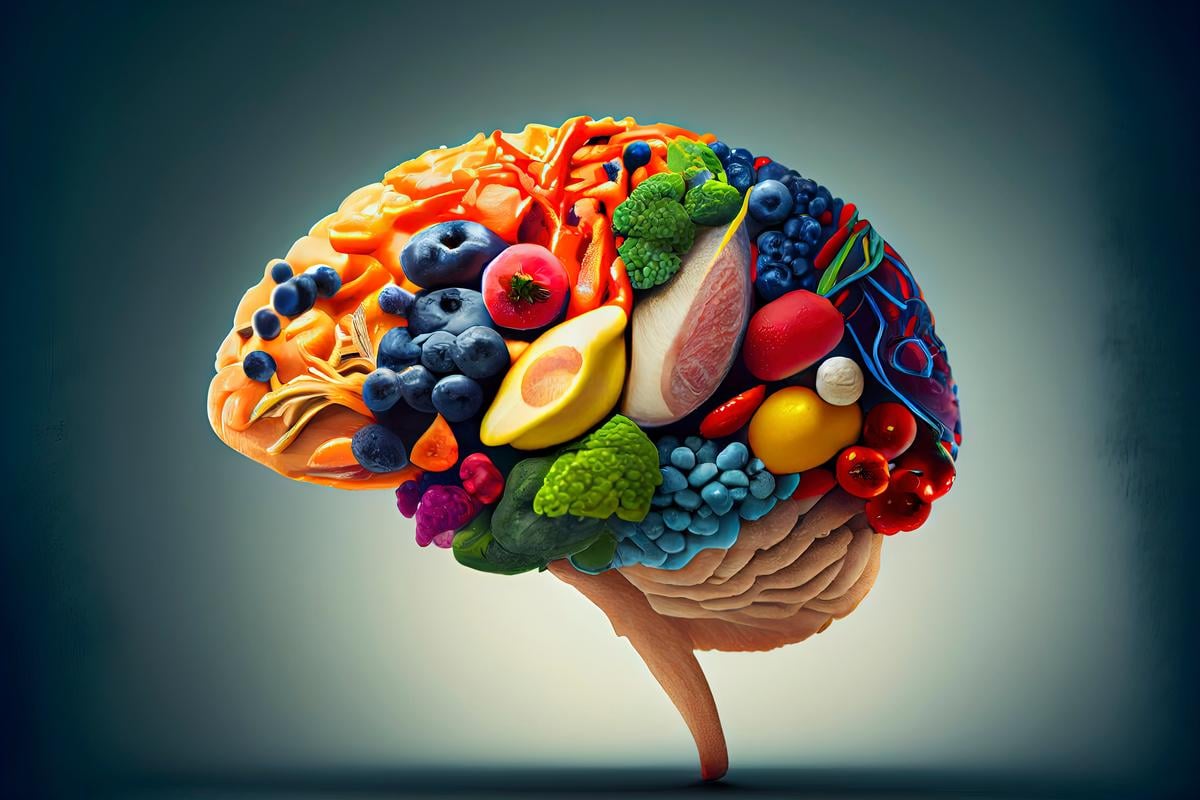
A new study led by researchers at the USC Leonard Davis School of Gerontology suggests that the benefits of the Mediterranean diet may be driven, in part, by tiny proteins hidden within our mitochondria, opening a new window into how diet shapes aging and disease risk.
The study, led by USC Leonard Davis Instructional Associate Professor of Gerontology Roberto Vicinanza, found that people who closely follow a Mediterranean-style diet have higher levels of two mitochondrial microproteins, humanin and SHMOOSE – both of which have been linked to protection against cardiovascular disease and neurodegeneration.
“These microproteins may act as molecular messengers that translate what we eat into how our cells function and age,” Vicinanza said. “It’s a new biological pathway that helps explain why the Mediterranean diet is so powerful.”
Diet, Mitochondria and Aging
The Mediterranean diet, which is rich in olive oil, fish, legumes, fruits and vegetables, has long been associated with lower risk of heart disease, diabetes and cognitive decline. But the mechanisms behind these benefits are still being uncovered.
In the new study, researchers analyzed blood samples from older adults with varying levels of adherence to the diet. Those with the highest adherence showed significantly elevated levels of humanin and SHMOOSE, along with lower markers of oxidative stress, a key driver of aging and chronic disease.
The team also found that specific foods appeared to matter. Olive oil, fish and legumes were associated with higher humanin levels, while olive oil and lower intake of refined carbohydrates were linked to higher SHMOOSE.
“These findings suggest that specific components of the Mediterranean diet may directly influence mitochondrial biology,” said USC Leonard Davis School Dean and USC Distinguished Professor Pinchas Cohen, the study’s senior author. “Humanin and SHMOOSE could serve as biomarkers for adherence to the Mediterranean diet and have clinical significance.”
A New Role for Mitochondrial Microproteins
The study builds on more than two decades of research led by Cohen, a pioneer in the discovery of mitochondria-derived peptides.
Unlike traditional proteins encoded in nuclear DNA, these microproteins are produced from small open reading frames in the separate mitochondrial genome, regions once thought to be nonfunctional.
Among the most well-studied is humanin, which was first identified by Cohen and colleagues in 2003. It has since been linked to improved insulin sensitivity, cardiovascular protection, longevity and preservation of cognitive function.
More recently, Cohen’s lab discovered SHMOOSE (Small Human Mitochondrial ORF Over SErine tRNA), a microprotein tied to brain health. A genetic variant of SHMOOSE has been associated with increased Alzheimer’s disease risk, while the normal form appears to protect neurons from amyloid-related damage.
“These peptides are emerging as key regulators of aging biology,” Cohen said. “They connect mitochondrial function to diseases like Alzheimer’s and heart disease and now, potentially, to nutrition.”
Linking Diet to Cardioprotection
Another notable finding from the study is a potential interaction between humanin and Nox2, an enzyme that produces harmful reactive oxygen species.
Higher humanin levels were associated with lower Nox2 activity, suggesting that the peptide may help reduce oxidative stress and protect the cardiovascular system.
The researchers propose that the Mediterranean diet may work through a dual mechanism: directly lowering oxidative stress while also boosting mitochondrial microproteins that further suppress damaging pathways.
“This could represent a new cardioprotective mechanism of the Mediterranean diet,” Vicinanza said.
From the Lab to Global Advocacy
Beyond the lab, Vicinanza has also been active in promoting the Mediterranean diet on a global stage, linking his scientific work to a broader international effort to advance it as a model for health, culture, and sustainability. He has worked with the Municipality of Pollica in Italy, a UNESCO Mediterranean Diet emblematic community, to support the establishment of the International Day of the Mediterranean Diet at the United Nations. The observance will be held annually on November 16 and is aimed at raising awareness of the diet’s health, cultural, and environmental benefits worldwide. That broader mission aligns with the study’s findings, he said.
“We’re connecting centuries-old dietary traditions with cutting-edge molecular biology,” Vicinanza said. “It supports the idea that healthy eating patterns with little to no ultra-processed foods reflect how humans have eaten over long periods and may create conditions to which mitochondria—ancient cellular organelles—are likely adapted.”
Toward Precision Nutrition and Healthy Aging
While the study was relatively small and observational, the findings point to a new frontier in “precision nutrition,” where biomarkers like mitochondrial microproteins could help tailor diets to optimize health and longevity.
Future research will explore whether dietary interventions can directly increase levels of humanin, SHMOOSE and related peptides and whether those changes translate into reduced disease risk.
“Our goal is to move from observing associations to understanding causality,” Vicinanza said. “If we can harness these pathways, we may be able to design nutritional strategies that promote healthy aging at the molecular level.”
– Beth Newcomb
