

Research of Institute of Infectious Diseases and Tropical Medicine at LMU University Hospital Munich and consortium partners shows two novel antibiotics could spare patients from severe side effects
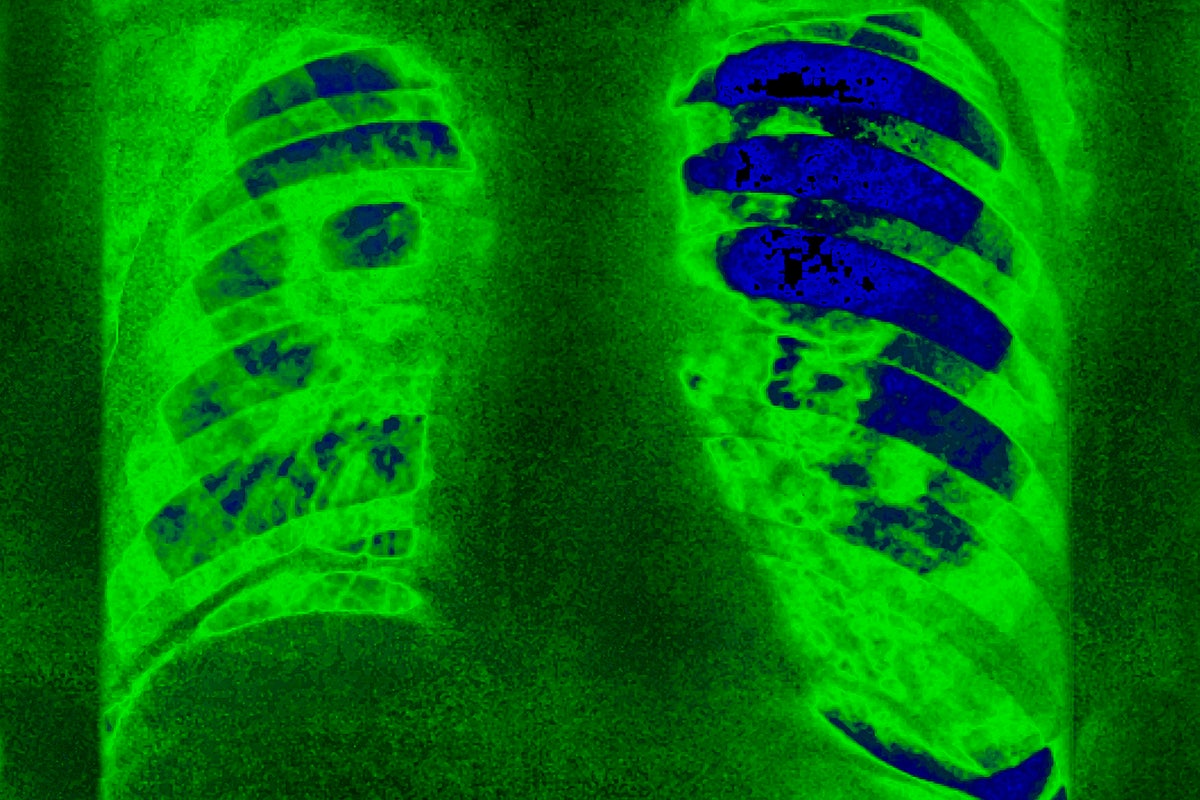
The drugs, sutezolid and delpazolid, have demonstrated strong antimicrobial activity and a notably better safety profile compared to linezolid, with potential to replace this current cornerstone in the treatment of drug-resistant TB. The findings were published on July 8, 2025, in two peer-reviewed articles in The Lancet Infectious Diseases, one of the world’s leading journals in the field of infectious disease medicine. Research partners in Germany included the German Center for Infection Research (DZIF), Munich, the Fraunhofer Institute for Translational Medicine and Pharmacology ITMP, the Center for International Health (CIH) at LMU University Hospital and Helmholtz Munich.
The Challenge with Linezolid
In 2022, the World Health Organisation introduced linezolid as part of the BPaLM regimen, also comprising bedaquiline, pretomanid, and moxifloxacin, as the standard recommended 6-month treatment for patients with multidrug-resistant TB—reducing the duration from the previous standard 18 months. However, linezolid is problematic for patients as it shows significant toxicity. This prolonged exposure to linezolid, much longer than the originally intended use for bacterial skin infections, frequently leads to serious adverse events like anaemia or optical neuropathy, which are distressing for patients, may not resolve fully, and can require discontinuation of therapy, limiting treatment success.
“Despite its effectiveness, linezolid is simply too toxic for many patients. We urgently need safer alternatives in this antibiotic class,” says PD Dr Norbert Heinrich.
Both sutezolid and delpazolid are members of the oxazolidinone class, like linezolid, but are less toxic for patients. In two innovative Phase 2b clinical trials – SUDOCU (PanACEA Sutezolid Dose-finding and Combination Evaluation) and DECODE (PanACEA DElpazolid Dose-finding and COmbination DEvelopment) – both drugs were tested in combination with bedaquiline, delamanid, and moxifloxacin, making them the first trials to use these specific four-drug combinations. The studies, conducted in South Africa and Tanzania, showed that in patients with drug-sensitive pulmonary TB, both drugs are safer and more tolerable for patients than linezolid would be.
Key findings show better patient outcomes
Sutezolid was shown to be effective with strong antibacterial activity and was well tolerated across all tested doses, with no cases of nerve damage or blood toxicity—a critical advantage over linezolid. These results suggest sutezolid could be a safer alternative for future TB treatment regimens, particularly in long-term use, although no final dose recommendation can be made yet.
Delpazolid enhanced the effectiveness of the combination regimen with bedaquiline, delamanid, and moxifloxacin. A once-daily dose of 1200 mg achieved the desired drug levels for maximum efficacy and was well tolerated over 16 weeks. Importantly, no cases of nerve damage or blood-related side effects were observed. These results position delpazolid as a promising alternative to linezolid for future TB treatment regimens—pending confirmation in larger studies.
“These findings suggest that both drugs may offer safer treatment options for TB patients, particularly those requiring longer courses of therapy,” – noted Dr Tina Minja, National PI for the DECODE study at NIMR-Mbeya Medical Research Centre in Tanzania.
A Collaborative Global Effort
The studies were conducted as part of the PanACEA (Pan-African Consortium for the Evaluation of Anti-Tuberculosis Antibiotics) network, which includes clinical and academic partners across Africa and Europe. Both the SUDOCU and DECODE trials were innovative Phase 2b, open-label, randomized clinical studies that systematically compared different dosing levels to evaluate antibacterial activity, drug exposure, and safety profiles of sutezolid and delpazolid.
