

JCI Insight study identifies IL1RAP as a driver of treatment resistance, with V Foundation funding advancing the work toward a clinical trial at Sylvester.
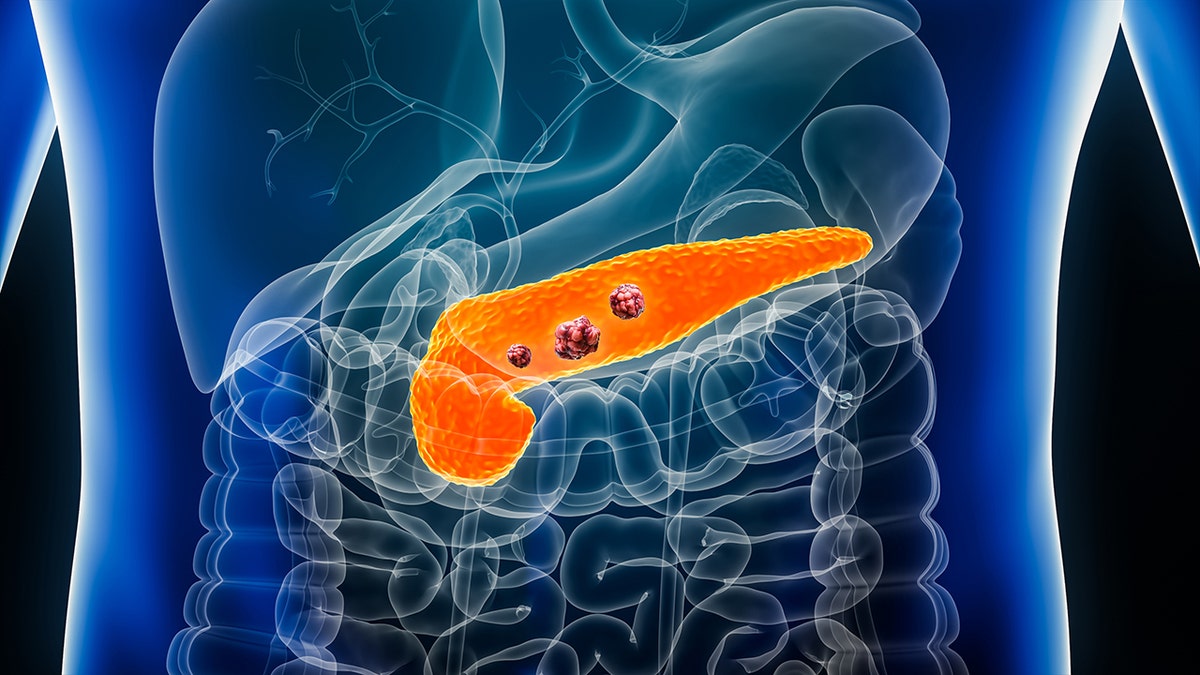
Blocking IL1RAP, a receptor that sits at a key control point in inflammatory signaling, can disrupt the tumor-driven inflammatory network that helps pancreatic cancer resist treatment, according to new research. Led by researchers at Sylvester Comprehensive Cancer Center, part of the University of Miami Miller School of Medicine, the findings are now advancing toward a first-of-its-kind neoadjuvant clinical trial combining IL1RAP-targeted therapy with chemoimmunotherapy in patients with operable pancreatic cancer before surgery.
Pancreatic cancer remains one of the most difficult cancers to treat. A key reason is its tumor microenvironment, a complex network of cells that helps tumors resist chemotherapy and immunotherapy.
Although recent headlines highlight a new KRAS-targeted therapy that extends survival in patients with metastatic cancer, this paradigm will take years to extend to patients with operable pancreatic cancer, and the need for new strategies in the latter population is urgent and ongoing.
In this new study published in JCI Insight, Jashodeep Datta, M.D., and colleagues show how IL1RAP connects tumor cells, immune cells and fibroblasts into a coordinated network that sustains cancer’s resistance to treatment.
Instead of acting alone, pancreatic tumors rely on surrounding cells to survive and adapt.
“When we target IL1RAP, we are blocking a shared ‘helper’ receptor that many inflammatory signals rely on to transmit their message,” said Datta, a pancreatic and hepatobiliary surgical oncologist, co-leader of the Gastrointestinal Site Disease Group at Sylvester, and senior author of the study.
By blocking that bottleneck, researchers can dampen an entire network of tumor-driven inflammation. That is critical in pancreatic cancer because this “inflamed but immune-suppressed” environment is a major reason chemotherapy and immunotherapy often fall short. Elevated IL1RAP helps tumors sustain their growth and treatment resistance.
If IL1RAP helps tumors maintain their defenses, then blocking it may help break them down. The Sylvester team found in preclinical research that inhibiting IL1RAP reshapes the tumor microenvironment. Immune-suppressive cells decrease, while T cells become more active and effective. Tumors show less fibrosis and an improved response to combination therapy.
The goal is not just to attack cancer cells, but to reprogram the environment that protects them, making existing treatments work better, explained Datta.
By identifying IL1RAP as a therapeutic vulnerability and linking its activity to treatment response, the early-stage results lay the groundwork for a new strategy to confirm this link. Based on these findings, a neoadjuvant clinical trial in patients is now advancing at Sylvester, combining IL1RAP-targeted therapy with chemoimmunotherapy in patients with operable pancreatic cancers prior to surgery.
“Moving this work into a clinical trial is a landmark development for our GI cancer program at Sylvester,” Datta said. “We’re testing a clear, patient-centered strategy to disrupt IL1RAP using a treatment plan that can be delivered in the clinic.”
The trial allows researchers to evaluate tumors before and after treatment, offering a rare opportunity to understand how a patient’s biology changes.
“Every new approach helps us learn more,” said Peter Hosein, M.D., co-author of the study, co-leader of the Gastrointestinal Cancers Site Disease Group at Sylvester, associate director for clinical research at SPCRI and professor of clinical medicine at the Miller School. “This trial gives us a unique window to connect the science directly to patient outcomes, which is essential for moving the field forward.”
