

Researchers identified microRNA-224 as a promising, first-in-class treatment target for pulmonary arterial hypertension, a rare disease that damages the blood vessels in the lungs and strains the heart. Researchers blocked a naturally…

Researchers create potential alternative to invasive bone graft procedures in children. For children born with cleft lip and palate, repairing gaps in the jawbone often means waiting until they are 10 to…

A new study has used a type of machine learning called a neural network to reveal how different kinds of training can change how learning happens—both in machines, and in living brains.…
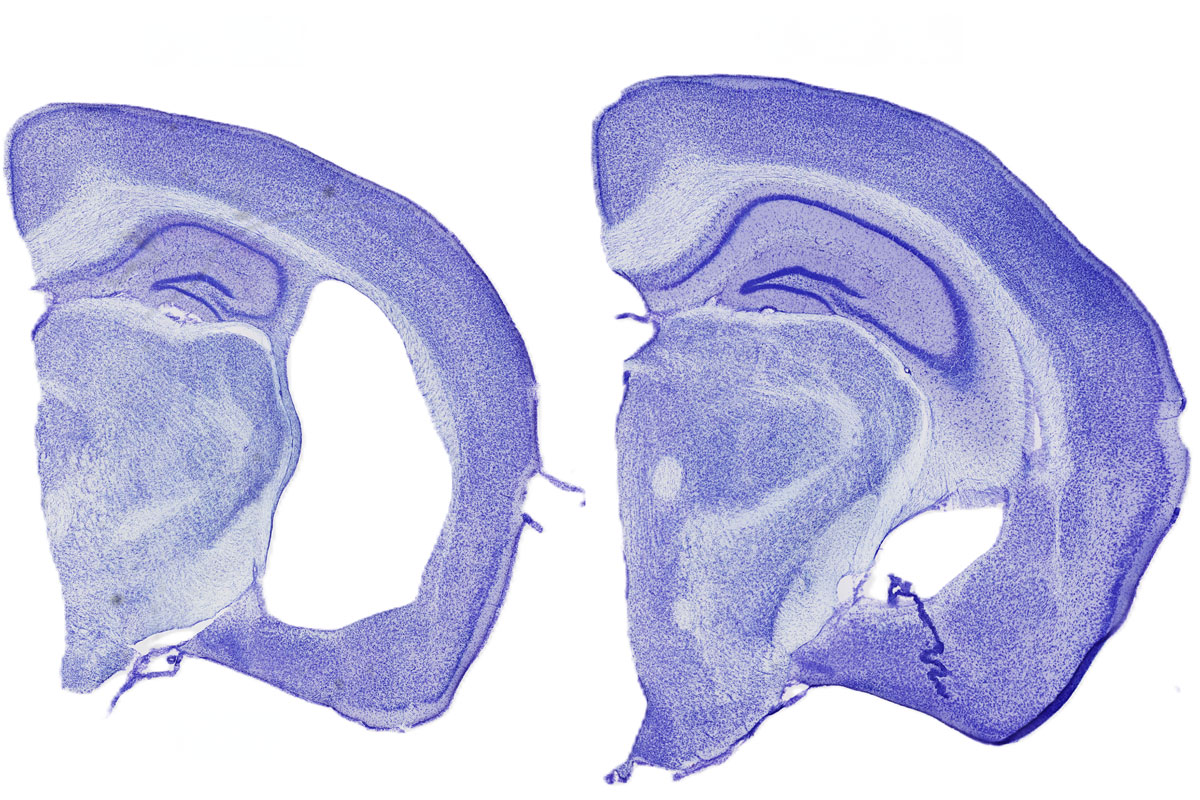
Study finds in mice that immune cells that drive neurodegeneration originate in body’s lymph nodes. Immune cells that normally protect the body from damage by attacking foreign or infected cells are found…

Scientists have found that targeting a particular group of proteins in the uterus muscle (myometrium) can suppress human uterine contractions in laboratory studies and delay preterm birth in a preclinical model. The…

Emory University researchers have provided the first proof-of-concept in a nonhuman primate model for eliminating HIV-infected cells with venetoclax, a clinically approved medication for cancer. Venetoclax effectively targets and blocks Bcl-2, a…

A study conducted at the University of Helsinki indicates that the total number of people with dementia will grow significantly in the coming years, and the number of those living at home…
Liver cancer is difficult to treat because tumors vary greatly from patient to patient. Researchers at the University of Basel have captured this diversity by creating a collection of mini-tumors, which they…

Medical AI products may be forming and amplifying healthcare bias against demographic subgroups. The recent flood of Artificial Intelligence (AI) models and content has undoubtedly brought along an unwelcome bug from the…
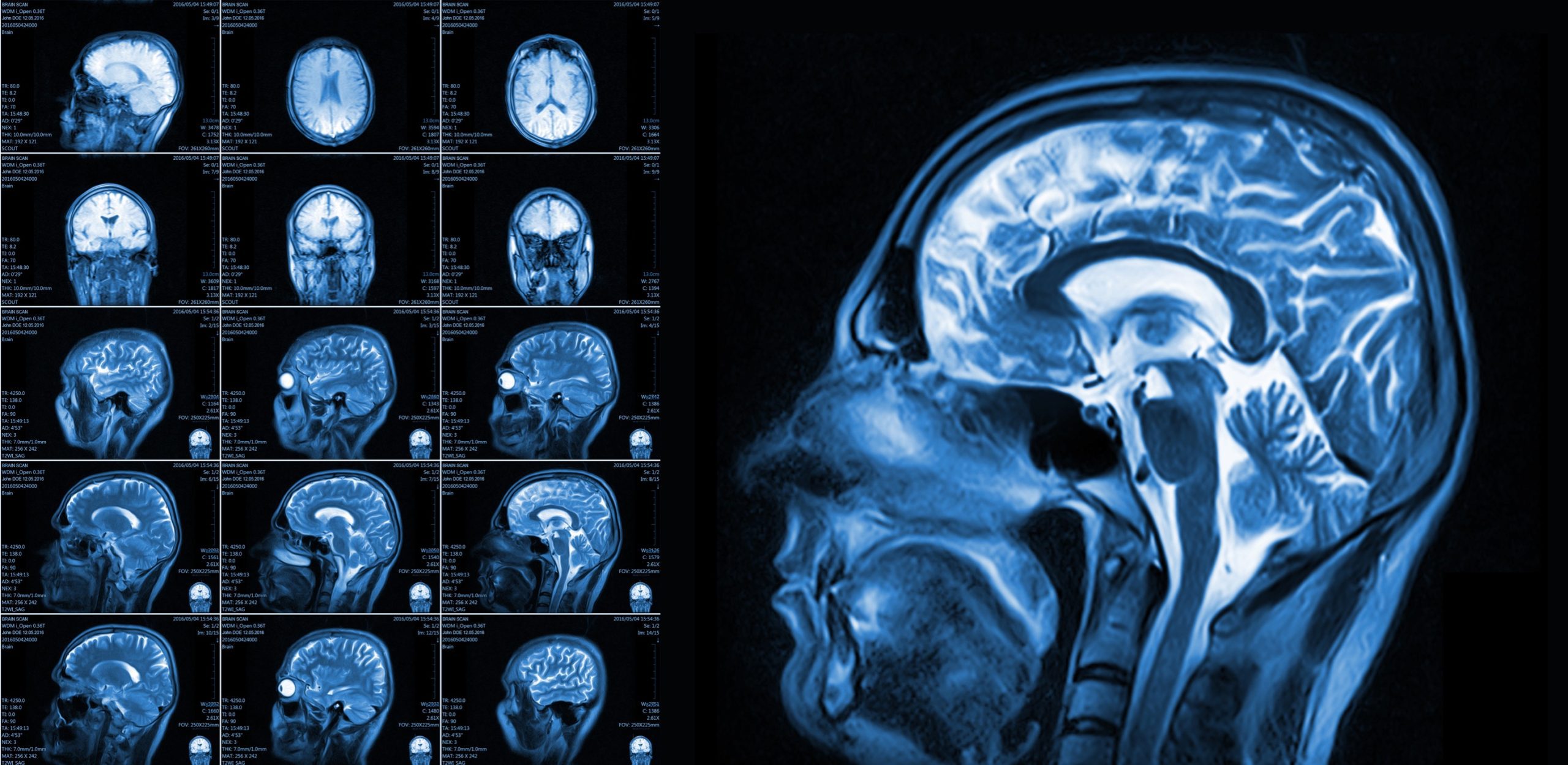
A team from UNIGE and HUG has shown that administering cell immunotherapy before surgery to remove a brain tumour is significantly more effective than administering it afterwards With survival at barely 5%…