
A team from UNIGE reveals how the ‘hijacking’ of neutrophils, a type of immune cell, promotes cancer growth and could provide insights into disease progression. Predicting tumour progression is one of the…
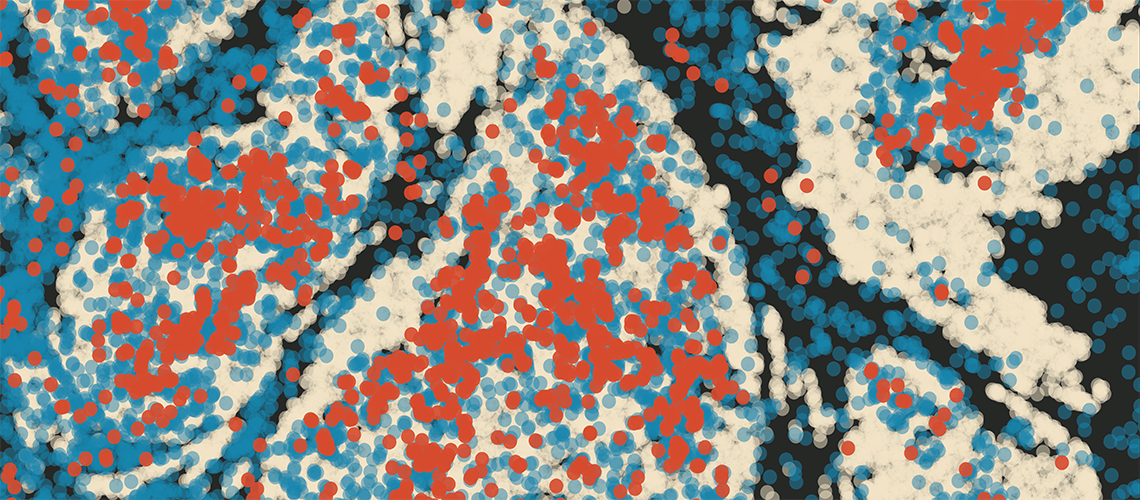

A team from UNIGE reveals how the ‘hijacking’ of neutrophils, a type of immune cell, promotes cancer growth and could provide insights into disease progression. Predicting tumour progression is one of the…
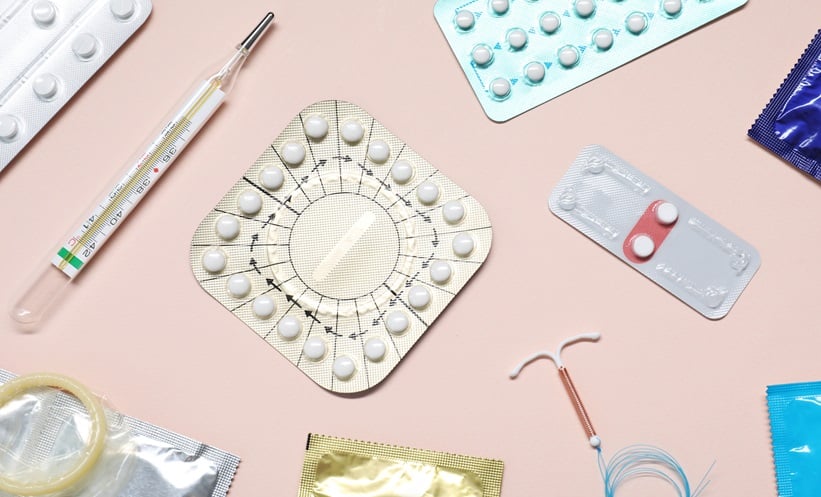
Antonia Seligowski, PhD, of the Neurocardiac Effects of Stress & Trauma Laboratory within the Department of Psychiatry at Mass General Brigham, is the senior author of a paper published in JAMA Network Open, “Hormonal contraceptive use, stress…

Research finds that social media can help reduce anxiety for young adults who have specific personality traits. Anxiety is the second leading cause of disability and mortality worldwide. Roughly a third of adults…
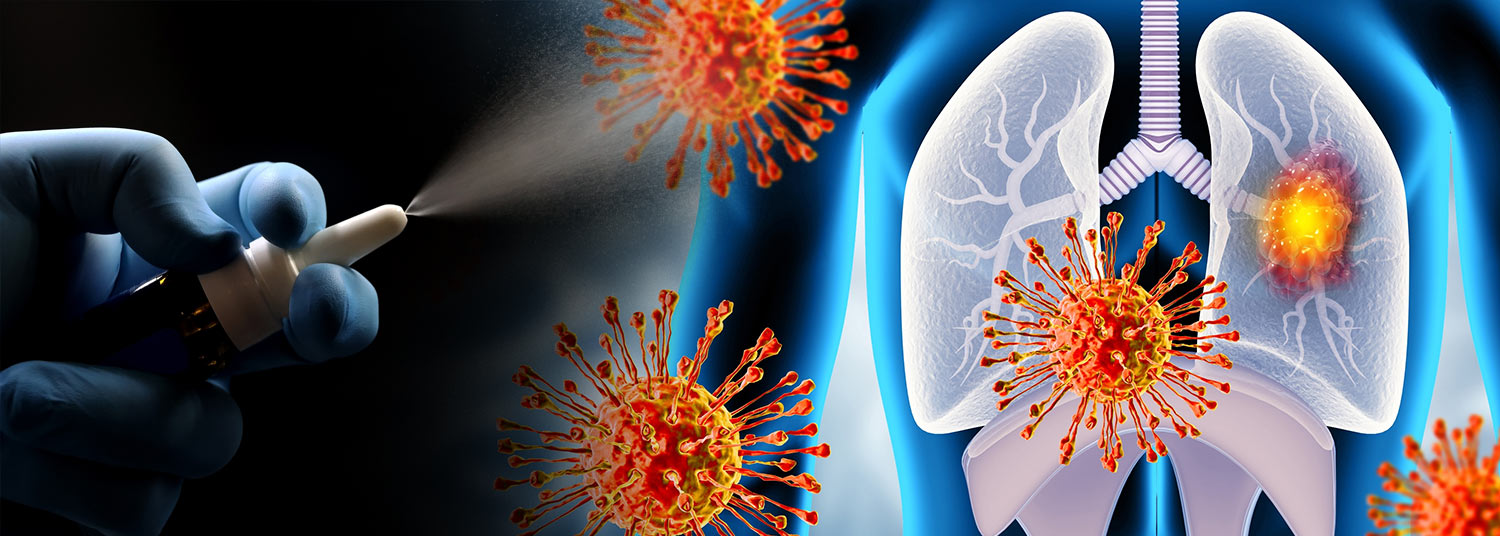
Last year, at least one million people in the U.S. were hospitalized for respiratory virus illnesses like the flu or COVID-19, according to the Centers for Disease Control and Prevention. Many of these individuals…

When her doctor died suddenly in August, Tammy MacDonald found herself among the roughly 17% of adults in America without a primary care physician. MacDonald wanted to find a new doctor right…
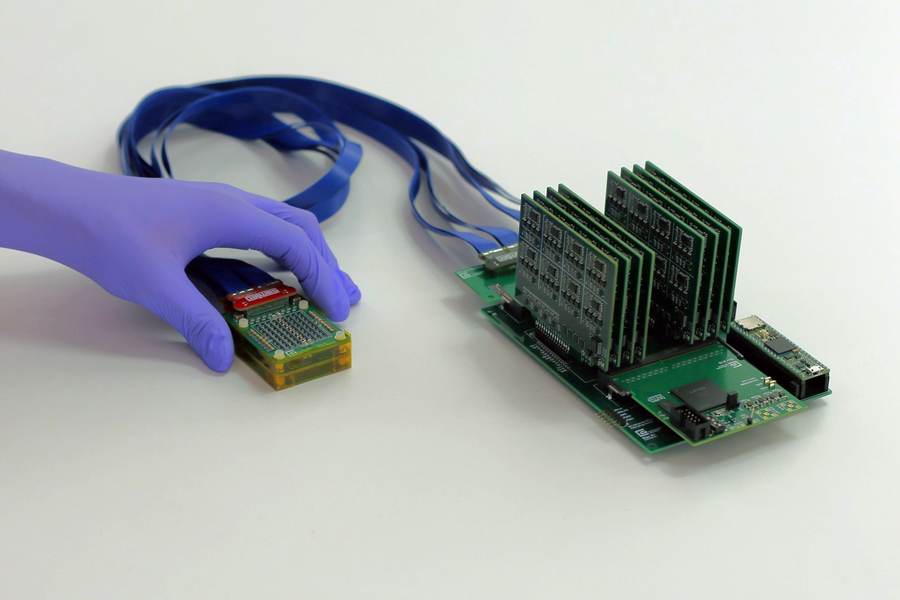
The new system could be used at home or in doctors’ offices to scan people who are at high risk for breast cancer. For people who are at high risk of developing…

A new study published in the Journal of Occupational and Environmental Medicine has identified clear occupational factors and demographic indicators associated with elevated serum levels of per- and polyfluoroalkyl substances among U.S. career firefighters. This research…
A 20-year–long rhesus monkey study suggests that prenatal alcohol exposure changes aspects of dopamine systems in offspring that influence how quickly they drink alcohol in adulthood. New in JNeurosci, Mary Schneider and Alexander Converse, from the University of…

As we age, we begin to lose the connections that wire up our brains—and neuroscientists aren’t sure why. It is increasingly clear, though, that the loss of synapses—the flexible and adaptive relay…
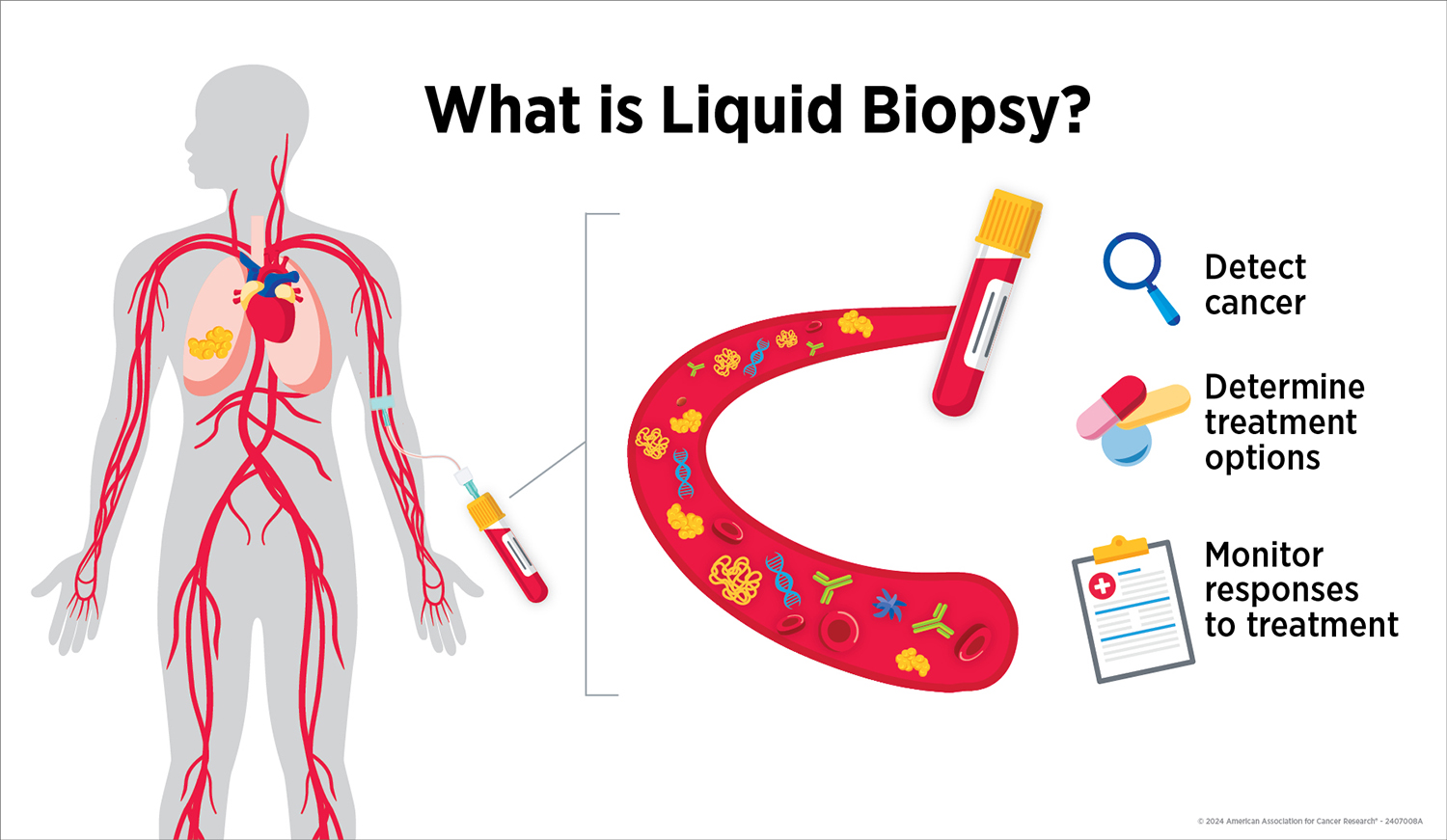
Researchers at the Johns Hopkins Kimmel Cancer Center have developed a novel liquid biopsy approach to identify early-stage cancers by measuring the random variation in DNA methylation patterns, rather than the absolute level of…
