
A geocoding approach – linking routinely collected public health data to neighborhood socioeconomic factors – shows consistently higher rates of COVID-19 illness and death among people living in more-disadvantaged communities, reports a study…


A geocoding approach – linking routinely collected public health data to neighborhood socioeconomic factors – shows consistently higher rates of COVID-19 illness and death among people living in more-disadvantaged communities, reports a study…

Children and adults exhibit distinct immune system responses to infection by the virus that causes COVID-19, a finding that helps explain why COVID-19 outcomes tend to be much worse in adults, researchers…

As COVID-19 cases continue to rise worldwide, it is increasingly urgent to understand how climate impacts the continued spread of the coronavirus, particularly as winter virus infections are more common and countries…

Researchers around the world are a step closer to a better understanding of the intricacies of COVID-19 thanks to two new web resources developed by investigators at Baylor College of Medicine and…

As the COVID-19 pandemic spreads around the world, some locations have experienced decreasing numbers of cases followed by an increase. This has ignited a public debate: Can we call this a second…

Mathematicians have developed a framework to determine when regions enter and exit COVID-19 infection surge periods, providing a useful tool for public health policymakers to help manage the coronavirus pandemic. The first…

Belief in conspiracy theories about the coronavirus pandemic is not only persistent but also is associated with reluctance to accept a COVID-19 vaccine when one becomes available and to engage in behaviors…
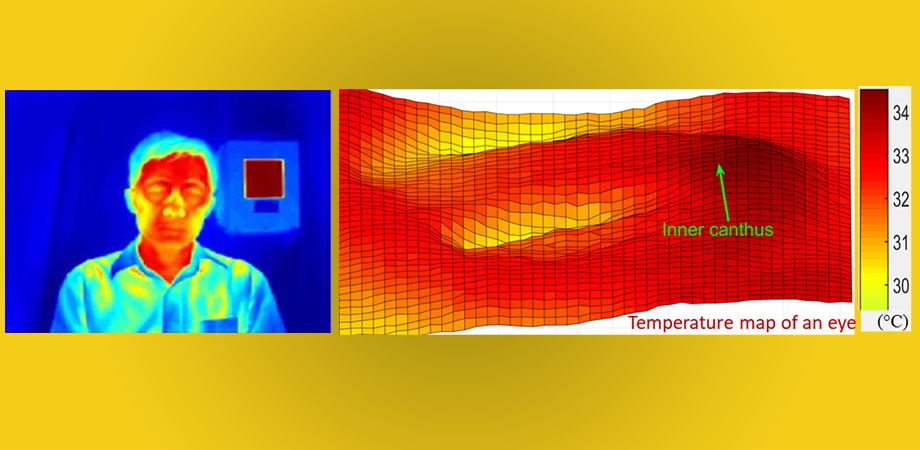
Thermography has been a hot topic this year, due to the need for quicker diagnostics to detect and prevent the spread of COVID-19. Noncontact infrared thermometers (NCITs) are currently a primary tool…

A National Institutes of Health-funded study found that people with substance use disorders (SUDs) are more susceptible to COVID-19 and its complications. The research, published in Molecular Psychiatry, was co-authored by Nora…

The COVID-19 pandemic has created a number of challenges, including that many are spending more time at home than ever before. This is a significant problem for those with neighbors who smoke.…
